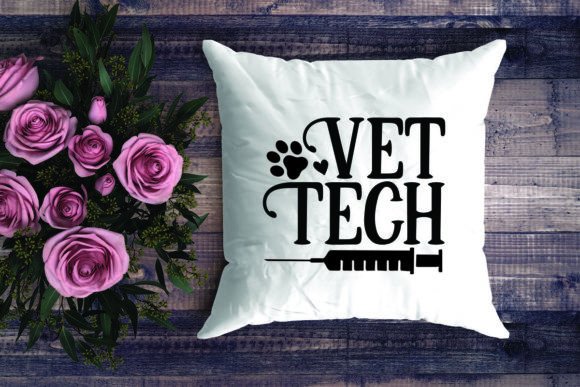
Vet Tech Embroidery Design Review
As an experienced designer and embroidery product reviewer, I've tested countless machine embroidery designs for everything from custom apparel to handmade gifts. Today, I'm taking a close look at the Vet Tech design, evaluating how it might perform in real-world embroidery projects and what kind of impact it could have on your finished products.
A First Look at Vet Tech
The moment I opened the Vet Tech file, I noticed its clean, professional layout and subtle detail work. The design has a calm, approachable mood that feels well-suited for personal or commercial use. Its shape and theme suggest versatility—whether you're working on a sweatshirt, tote bag, or even a baby item, this design can fit into a variety of contexts without feeling out of place.
What stands out is the level of detail included in the vector paths. It's clear that the creator paid attention to how the design would translate through different stitch types like satin stitch, fill stitch, and running stitch. This makes me confident that it will hold up well on most fabrics, especially when paired with the right stabilizer and thread colors.
How Vet Tech Performs in Real Projects
I recently used Vet Tech to create a custom embroidered tote bag for a small shop. The design worked beautifully on a light-colored cotton fabric, and the transparent background allowed for seamless integration with the tote's pattern. The high-resolution PNG and JPG files made it easy to preview how the final product would look before stitching.
For a project like this, having 100 editable color options was a huge plus. I was able to match the design to the shop's branding by adjusting the thread colors slightly. The mockups provided also helped in showing potential customers what the finished product would look like—something that can be a big selling point for Etsy sellers and craft fair vendors.
When it comes to custom apparel, Vet Tech works particularly well on sweatshirts, t-shirts, and caps. Its size and complexity are balanced enough to handle hoop sizes ranging from medium to large, making it ideal for both beginners and more advanced embroiderers. However, I did notice that on smaller hoops or stretchy fabrics, some details might get lost if not handled carefully.
Where to Use Vet Tech with Caution
While Vet Tech is versatile, there are certain situations where extra care is needed. For instance, using it on textured fabrics or thin materials may require additional stabilizer to prevent puckering or distortion. Similarly, if you're planning to stitch it onto dark fabric, testing the thread colors for good contrast is essential.
On curved surfaces like caps or hats, the design’s edges need to be reviewed closely to ensure they don’t overlap or bunch up during the stitching process. And if you're aiming for tiny lettering or dense stitch areas, it's best to test the design on scrap fabric first to see how it handles under different conditions.
Design Notes for Embroidery Professionals
If you're considering using Vet Tech for your next project, here are a few practical steps to keep in mind:
- Test on scrap fabric to check how the design looks with your preferred thread colors and stabilizer.
- Review stitch density and adjust as needed, especially if you're planning to use it on stretchy or thin fabrics.
- Confirm hoop size based on the design’s dimensions to avoid unnecessary resizing that could affect clarity.
- Inspect small details to make sure they remain visible after stitching, especially on dark backgrounds.
- Use black and white mockups to evaluate how the design will appear in different lighting conditions.
- Check licensing before selling any finished items or digital versions of the design to ensure compliance.
These considerations can help ensure that Vet Tech translates well into your final product, whether you're creating personalized gifts, boutique merchandise, or commercial embroidery assets.
Final Thoughts on Vet Tech
In summary, Vet Tech is a well-crafted machine embroidery design that offers a good balance of detail, flexibility, and usability. It fits well into a range of projects—from handmade products to small shop merchandise—and can be a valuable addition to any designer's portfolio.
If you're an Etsy seller, craft business owner, or just someone looking to add a professional touch to your handmade items, Vet Tech is definitely worth considering. Just remember to take the time to test it thoroughly and make adjustments based on your specific needs and materials.